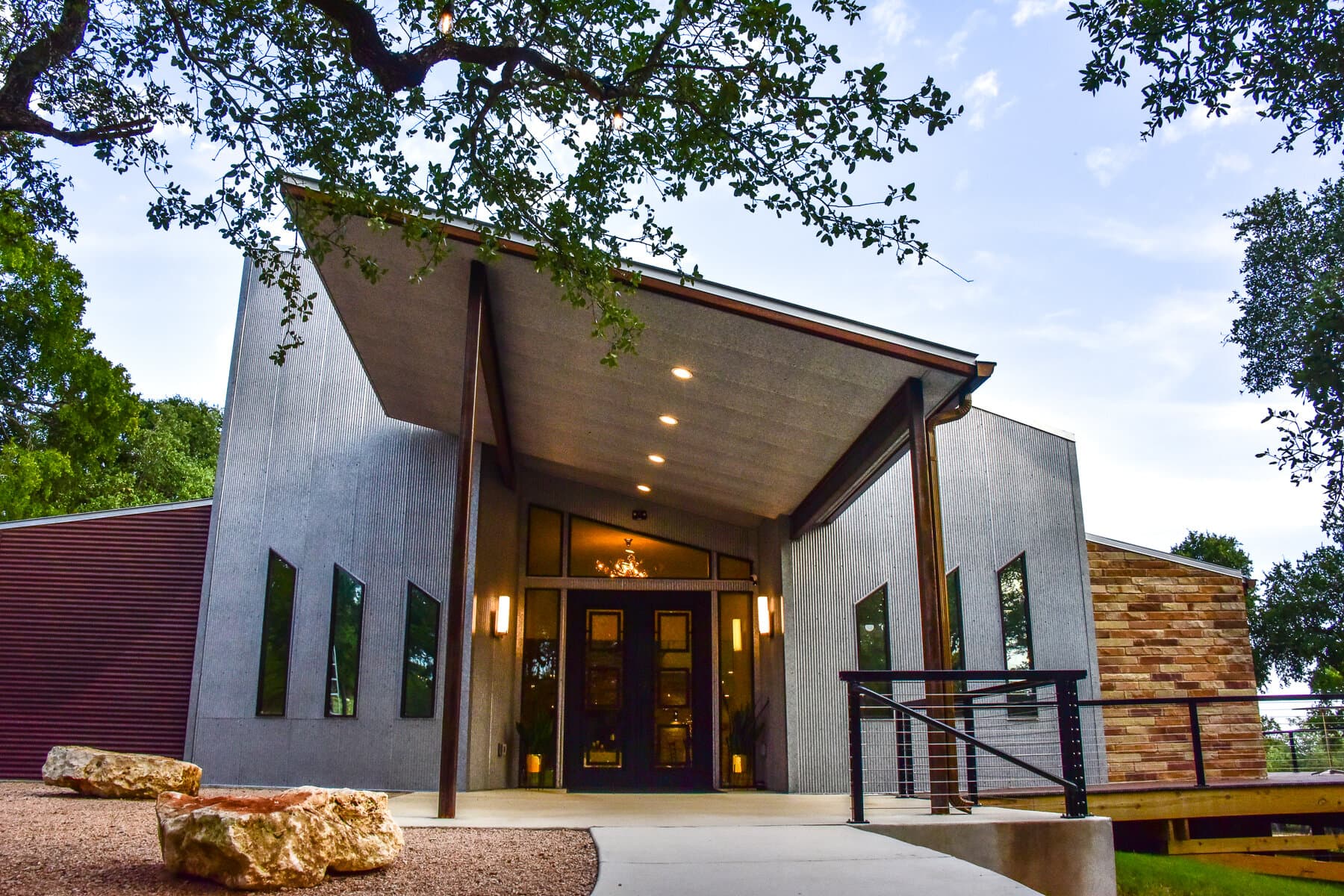
20 Questions to Ask When Touring a Wedding Venue (That Most Couples Forget)
A wedding venue tour is one of the most exciting parts of early wedding planning. It is also one of the most consequential decisions you will make, because every other vendor, timeline, and budget decision flows from where you choose to celebrate. The problem is that most couples walk into tours prepared to fall in love, and walk out without the information they actually need to make a confident decision.
These 20 questions change that. Some are practical. Some reveal things the venue brochure will never tell you. All of them matter.
About What Is Actually Included
1. What is included in the rental fee, and what is not? This is the most important question and the one most couples ask last. Tables, chairs, linens, setup, breakdown, parking coordination, and staffing vary dramatically from venue to venue. Two quotes that look similar on paper can represent very different real costs once you account for everything the cheaper venue does not provide.
2. How many hours of venue access does the rental include? Not just the event hours. The total access window matters too. How early can vendors arrive? When does cleanup need to be finished? Vendors typically need 3 to 5 hours for setup. If the rental starts at noon and the ceremony is at 5:00 PM, your caterer, florist, and decorator are all working against the same clock.
3. Is there a getting-ready suite included, and is it separate for both sides of the wedding party? A quality getting-ready space with good natural light, mirror access, and enough room for a full hair and makeup team is worth significantly more than it sounds. Ask whether the bridal suite and the groom's space are genuinely separate, because starting the morning in the same area creates unnecessary logistics.
4. What furniture is on-site and what would we need to rent? Some venues include farm tables, elegant chairs, and cocktail tables. Others have metal folding chairs and plastic rounds. Know exactly what you are working with before your decorator gives you a quote, because rental costs add up quickly.
5. Are there any setup or breakdown fees beyond the rental? Some venues charge separately for setup and teardown labor, even when furniture is included. Others roll it in. Ask explicitly so you can compare total costs, not just rental rates.
About Weather and Backup Plans
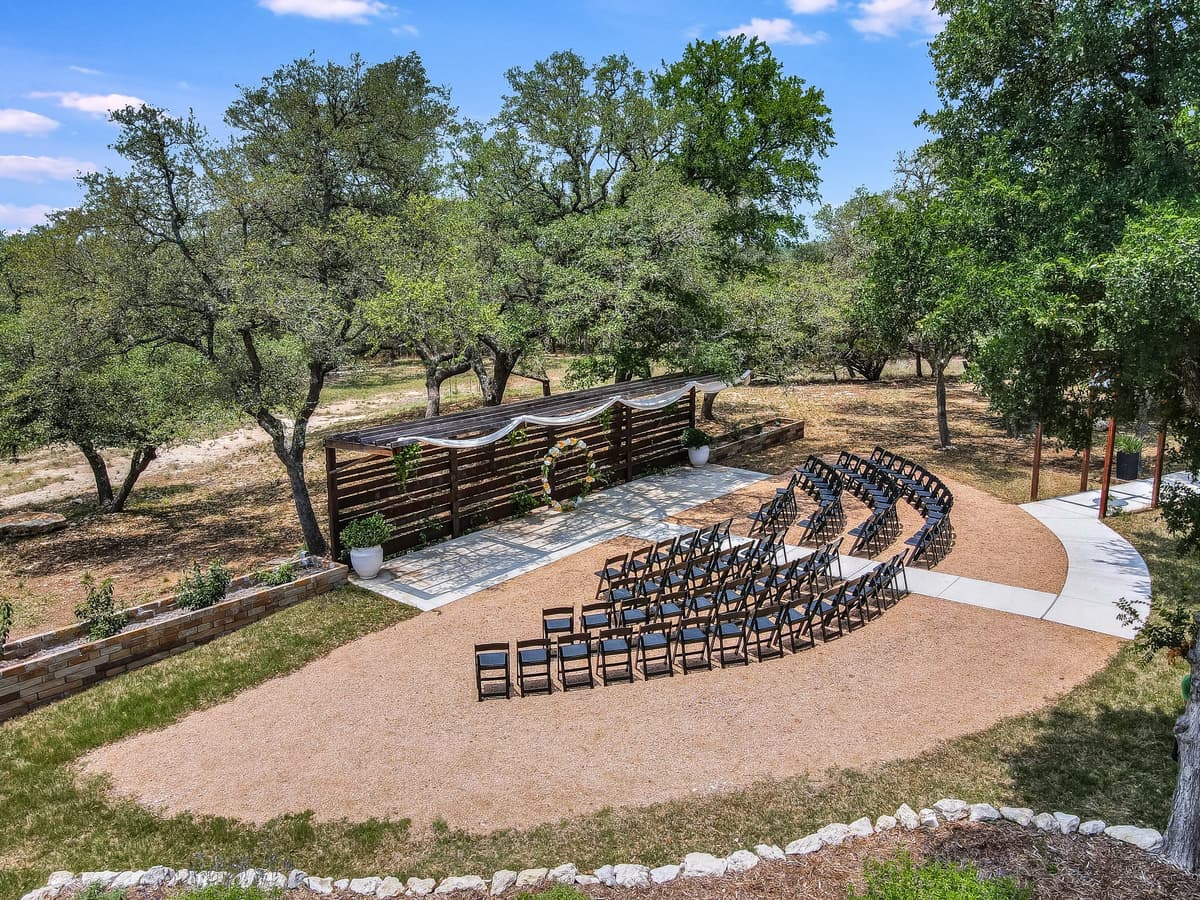
6. Where does the ceremony move if the weather turns? Do not accept a vague answer here. Ask to stand in the backup space. Ask whether it holds your full guest count comfortably, not just technically. Ask what it looks like in photographs. A strong venue has a Plan B that still feels like the wedding you wanted.
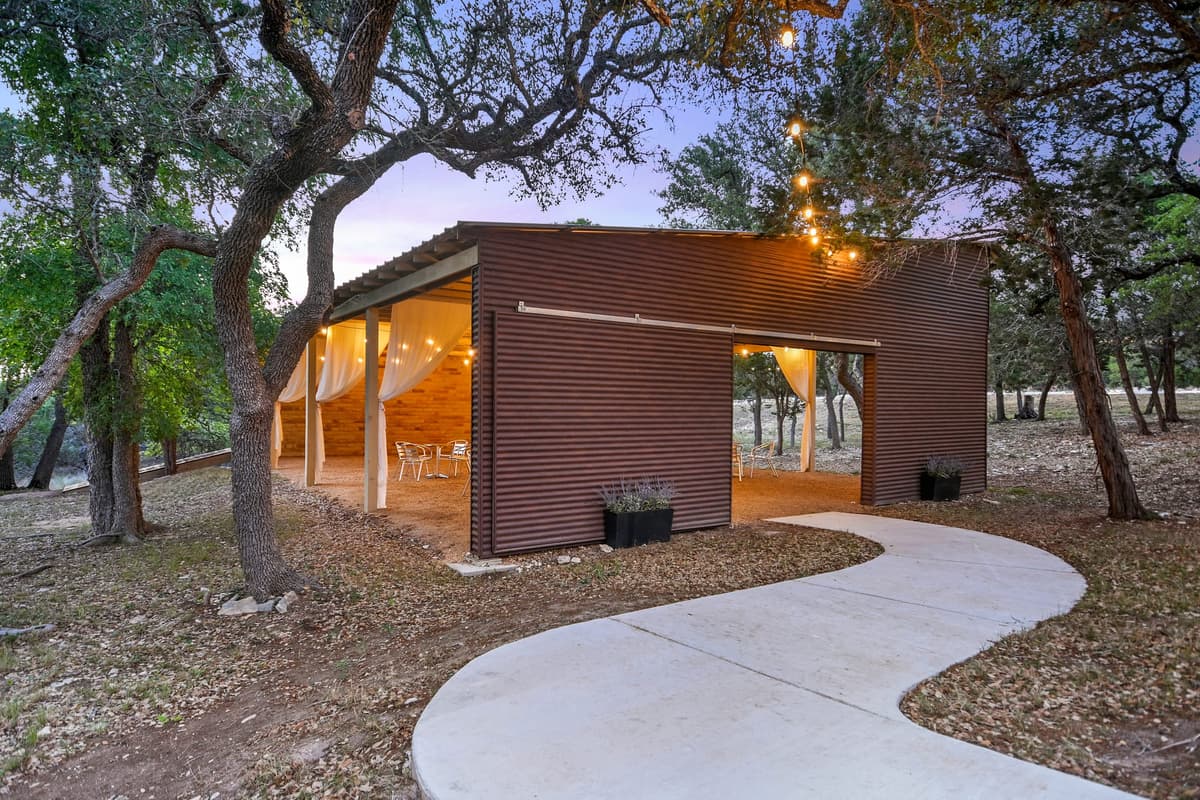
7. When is the final weather call made, and how is it communicated? Most venues make the call 24 to 48 hours before the event. Know who makes that decision, how you will be informed, and what changes operationally when the pivot happens. Vendors need to know early enough to adjust.
8. How do you handle extreme heat? In Texas specifically, heat is as much a risk as rain. Ask about shade, water stations, the distance between parking and the ceremony space, and how elderly guests access climate-controlled areas. This question matters more than most couples realize until it is 98 degrees at 4:00 PM on their wedding day.
About Vendors and Catering
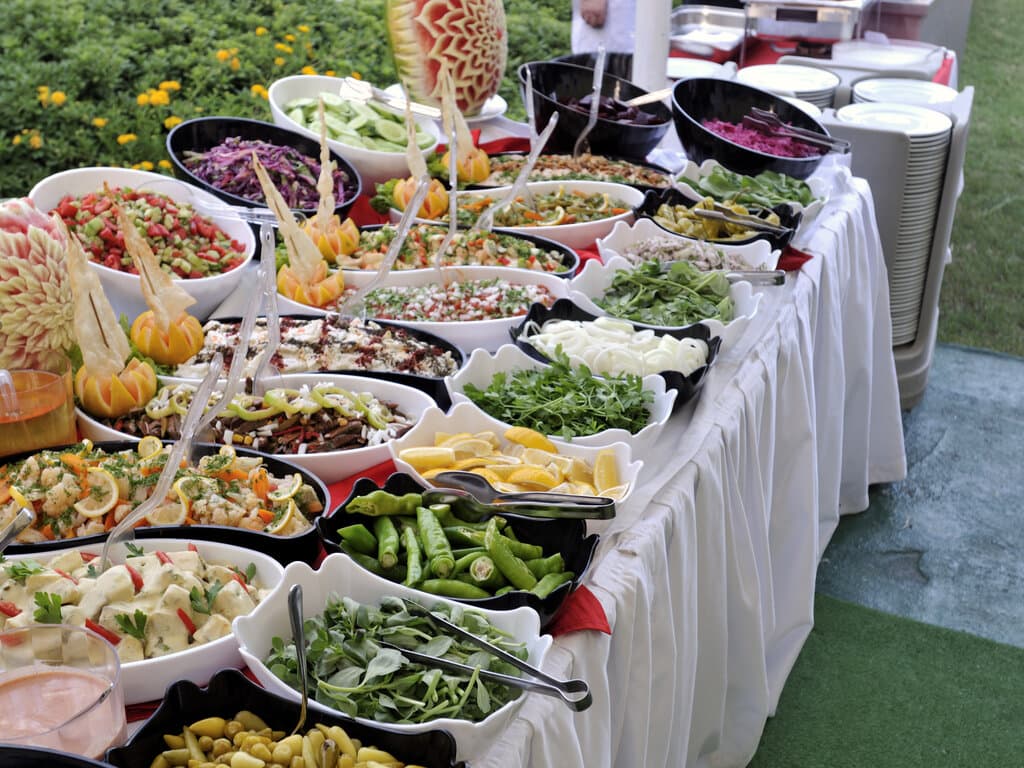

9. Do you have a required vendor list, or can we bring our own? Some venues require couples to use in-house catering or an approved vendor list. Others are fully open. Neither is inherently wrong, but knowing upfront helps you evaluate whether your preferred caterer, baker, or photographer can work there, and whether the exclusivity adds cost or convenience.
10. If you have a preferred vendor list, why are those vendors on it? The answer tells you a lot. If the answer is quality and experience on the property, that is a good sign. If the answer is unclear or financial in nature, factor that into your evaluation.
11. Is there a prep kitchen for caterers? An on-site prep kitchen with commercial refrigeration and prep space allows your caterer to do their best work. Without it, food quality and service timing both suffer, and some caterers will quote higher or decline entirely.
12. What are the rules around alcohol service? Some venues require a licensed bartender. Others prohibit hard liquor. Many have rules about when service must end. Know these upfront, especially if you plan to do a DIY bar or use a specific catering model.
About the Day-of Experience
13. Who is our point of contact on the wedding day, and what is their role? Is there a dedicated venue coordinator on-site during the event? What exactly can they help with, and what falls outside their scope? Understanding the difference between a venue coordinator and a wedding planner will save you confusion, and potentially a critical gap, later.
14. What does parking look like, and is it accessible for elderly guests? Ask about capacity, surface type, distance from the ceremony space, and whether there is a drop-off area for guests who need one. Also ask about lighting, as guests arriving after dark should be able to navigate safely.
15. Is there a noise ordinance or a hard cutoff time for music? Many Hill Country venues and rural properties have sound ordinances that require music to stop before 10:00 or 11:00 PM. Know this before you book a DJ or band that plays until midnight.
16. What happens if we go over our time? Overtime fees vary from reasonable to significant. Ask for the rate and ask how strictly it is enforced. Also ask how the venue handles vendor overtime, as your caterer may charge separately for extended service.
About the Venue's Track Record
17. Can we speak with a couple who has had their wedding here in the last year? Strong venues can provide references. If a venue hesitates or cannot produce a reference, that hesitation is worth noting.
18. Have you ever had to execute a full weather pivot during an event, and how did it go? This question reveals operational competence more than almost any other. A venue team that has navigated a real weather emergency and can describe it calmly (what worked, what they learned) is a team you can trust to handle your day.
19. How far in advance are most of your Saturday dates booked? This tells you how in-demand the venue is and how much time pressure you are realistically under. If popular Saturdays in spring fill 14 to 16 months out, you need to know that before you fall in love with a date that is already gone.
20. What is your cancellation and rescheduling policy? Ask for this in writing and read it carefully before you sign. Understand under what circumstances your deposit is refundable, how far out you can reschedule without penalty, and what happens if there is a circumstance beyond your control. This is not pessimism. It is protecting your investment.
What to Notice Beyond the Questions
The answers matter. But so does how a venue responds to the questions. A team that answers confidently, thoroughly, and without defensiveness is demonstrating the same communication style you will experience throughout planning. A team that deflects, vagues, or rushes you through the harder questions is previewing that too.
The best venues welcome the hard questions because they have good answers.
One Final Thing
Before you leave any tour, walk the full guest journey one more time: from the parking area to the ceremony space to cocktail hour to the reception. Notice the transitions. Notice where guests will stand, wait, and move. Notice what requires signage and what is intuitive. The venues that feel effortless to navigate on a quiet afternoon are the ones that will feel effortless for your guests on the actual day.
Want to bring this list to a tour? Schedule a private visit at Prima Vista in Wimberley, TX. We welcome every question on this list.