Wedding Venues in Wimberley, TX: What Every Couple Should Know Before Touring
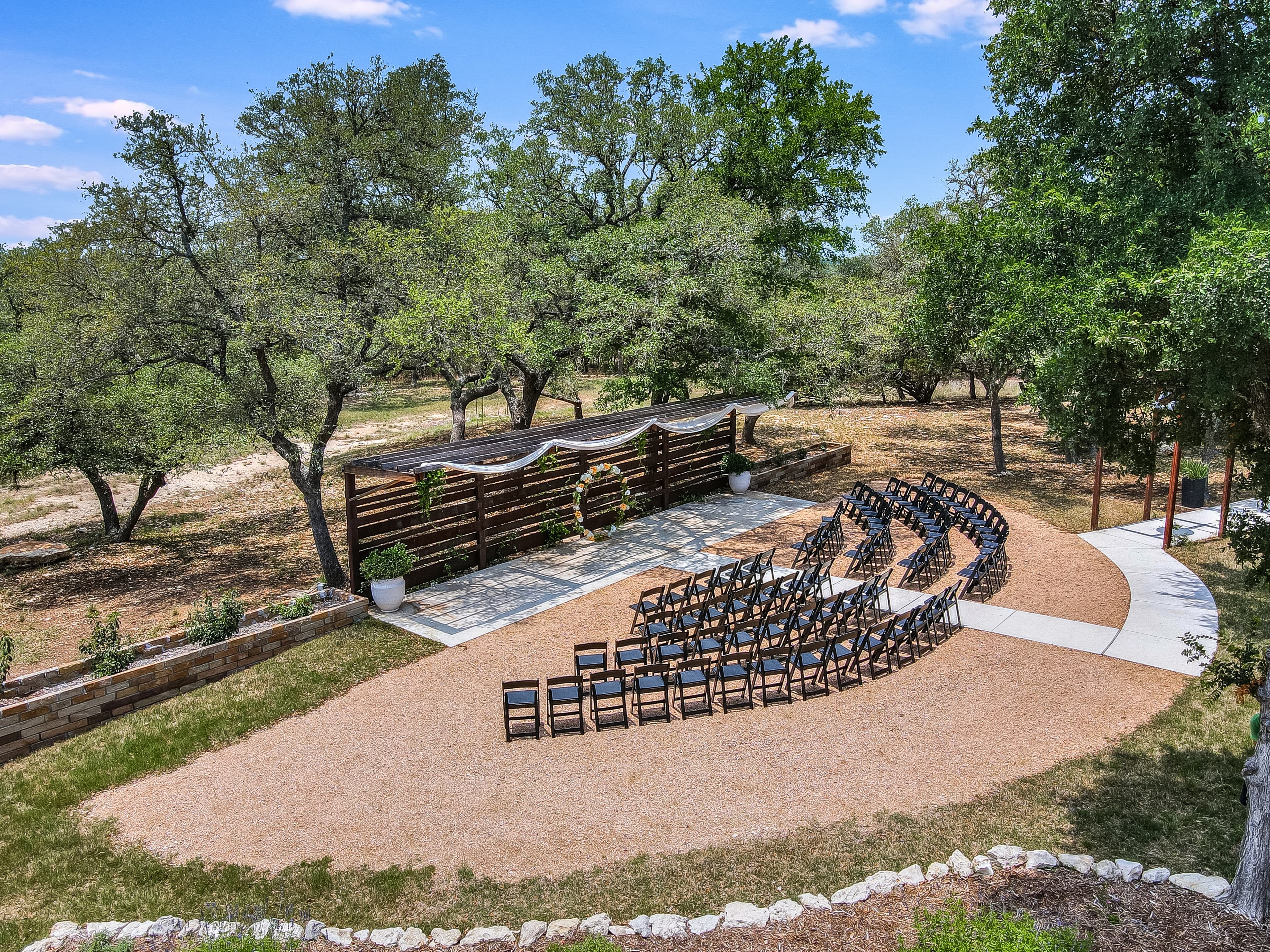
Wimberley, Texas has quietly become one of the most in-demand wedding destinations in Central Texas. Nestled in the Hill Country along Cypress Creek and the Blanco River, surrounded by ancient cypress trees and cedar-covered limestone hills, the town offers the scenic setting of a remote destination without the access challenges that make true destination weddings complicated.
For couples based in Austin, San Antonio, or anywhere in the broader Texas triangle, Wimberley sits in a sweet spot: close enough to be logistically reasonable, far enough to feel like you have genuinely gone somewhere.
Why Wimberley Works for Weddings
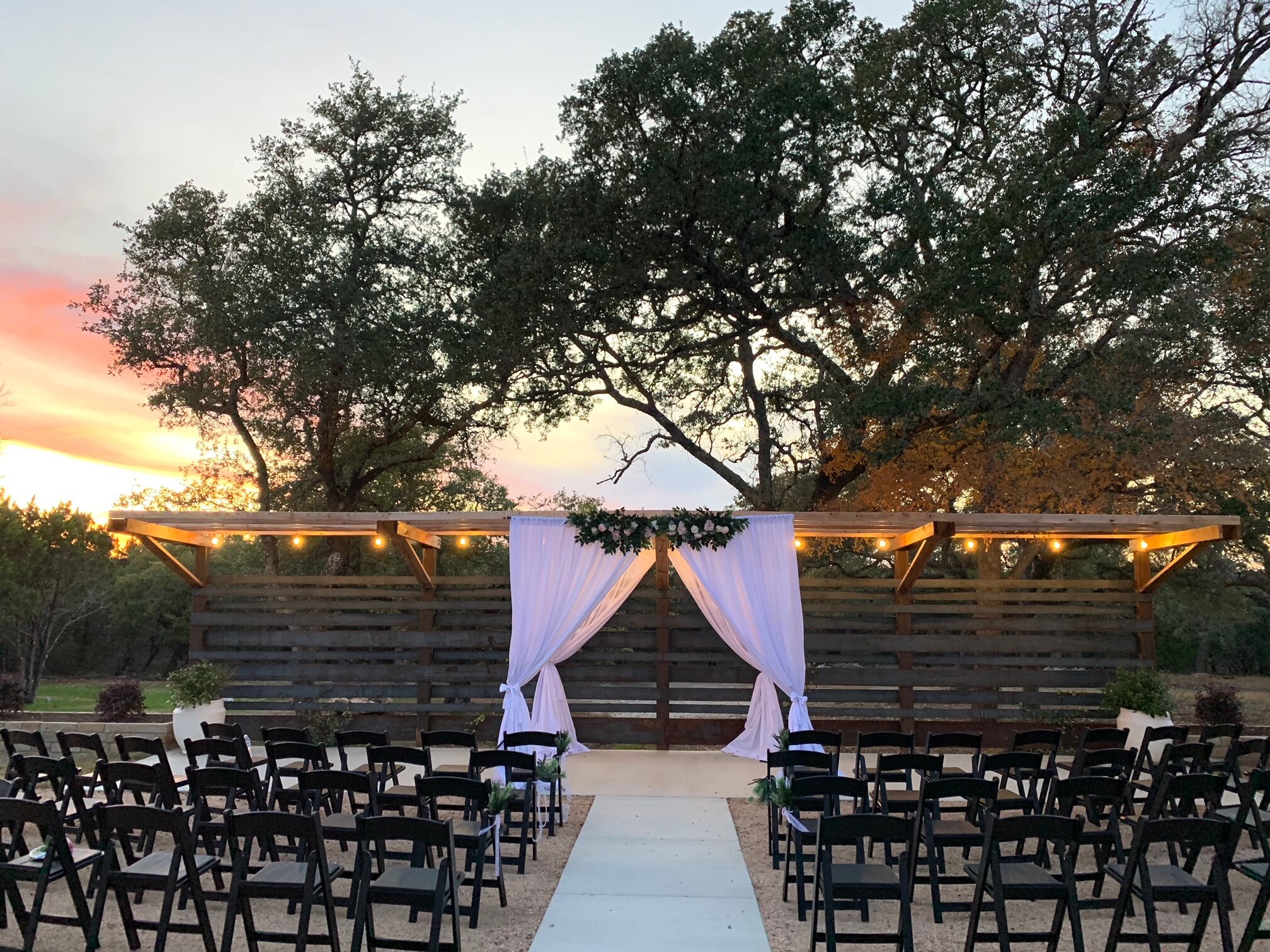
The landscape. The Hill Country around Wimberley features natural scenery that does significant decorating work on its own. Ceremony backdrops framed by live oaks, limestone ridge lines, and open Texas sky photograph beautifully without requiring elaborate floral or lighting installations to feel special. Couples consistently find they need less decor to make Wimberley venues feel elevated compared to urban or suburban properties.
Lodging infrastructure. One of the practical advantages Wimberley has over more remote Hill Country towns is a mature short-term rental and boutique hotel ecosystem. Guests can find lodging within minutes of most venues, and the concentration of vacation rentals makes wedding weekends genuinely easy to coordinate. This also makes it simple to host a Rehearsal Dinner at a local Wimberley restaurant without complicated logistics.
Distance from Austin. Wimberley is approximately 45 minutes from downtown Austin and about an hour from San Antonio. That proximity means most guests can drive in on the morning of the wedding if they choose, while out-of-town guests have easy flight access through Austin-Bergstrom International Airport. You get destination aesthetics with day-trip access.
A genuine sense of arrival. There is something qualitatively different about the moment guests turn off the highway and enter the Hill Country. The air changes. The landscape opens up. The pace slows. That sensory shift adds to the emotional weight of a wedding in a way that urban or suburban venues simply cannot replicate.
Types of Venues You Will Find in Wimberley
Wimberley has a range of venue types, and understanding the difference before you tour saves a significant amount of time.
Ranch and estate properties tend to offer maximum land and scenery, with varying levels of built infrastructure. Some are genuinely blank-slate: beautiful land that requires you to bring in every table, chair, tent, caterer, and generator. Others have partial infrastructure but still require significant vendor coordination. The photography can be spectacular, but the operational complexity and real cost are often higher than the base rental suggests.
Purpose-built wedding venues are designed from the ground up with events in mind. They typically include coordinated ceremony and reception spaces, getting-ready suites, built-in furniture and setup, weather backup options, and operational systems refined across hundreds of events. For couples who want a beautiful result without managing a large vendor ecosystem, these venues often deliver stronger overall value.
Boutique inn and bed-and-breakfast properties offer intimate settings that work especially well for smaller celebrations of 50 guests or fewer. The aesthetic tends toward the romantic and personal rather than the grand.
What to Look For When Touring
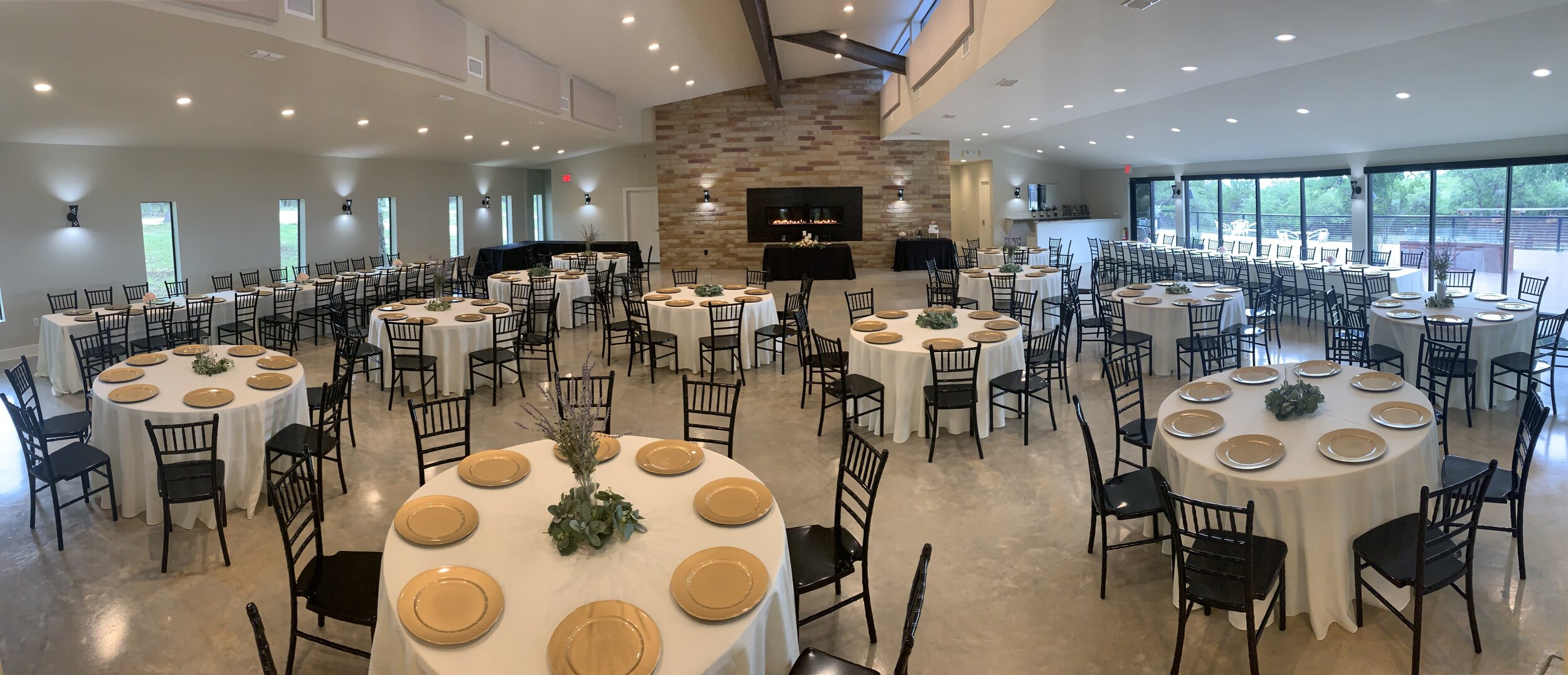

Outdoor and indoor flow. The best venues let the day move through spaces in a way that feels natural. Trace the guest journey from arrival through ceremony, cocktail hour, and reception. Good venues eliminate dead ends, minimize long outdoor walks in Texas heat, and create a natural progression from one moment to the next. If transitions feel awkward during a midday tour with no guests, they will feel more awkward on the wedding day.
A real weather plan. This is essential in Central Texas, not optional. Ask every venue you tour what happens when weather changes. Where exactly does the ceremony move? How many guests fit in that backup space comfortably, not just technically? Has the venue team actually executed a weather pivot during a real event, and how did it go? The answer to that last question reveals more than any brochure.
Getting-ready spaces. The hours before a ceremony set the emotional tone for the entire day. Look for a bridal suite with good natural light, comfortable seating for the full party, easy access outside for detail photos, and enough space for the full team (photographer, videographer, hair and makeup) without feeling crowded. A separate space for the groom or wedding party signals that the venue was designed for real events.
What is included in the base rental. The gap between a venue's listed rental price and the actual cost of the event is where most budget surprises live. Ask specifically about tables, chairs, linens, setup, breakdown, parking coordination, restroom capacity, and staffing. Two venues with similar-looking quotes can represent very different real costs once all the pieces are accounted for.
Catering flexibility. Some Wimberley venues require couples to use in-house catering or a preferred vendor list. Others are fully open. Know which model a venue uses before investing time in a tour, because this affects not just food cost but menu flexibility, dietary accommodation options, and the overall coordination load during planning.
Vendor experience on the property. Ask how vendors typically access the property, what the load-in timeline looks like, and whether there are power access, prep kitchen space, or staging areas for outside vendors. A venue that is operationally easy for vendors tends to attract and retain the most experienced local professionals, which benefits your planning process directly.
Questions to Ask Before You Book
These questions reveal more than a standard tour walk-through:
- What does the backup ceremony space look like and how many guests does it hold seated?
- What is the earliest vendors can arrive to load in?
- What is included in the rental fee, and what carries additional charges?
- Are there restrictions on outside caterers, alcohol service, or music volume after a certain hour?
- Can we visit during or shortly after another event to see how the space actually operates?
- What does the venue's day-of support look like, and who is the point of contact?
- What is the cancellation and rescheduling policy?
- How far in advance are most weekend dates booked?
What Sets Strong Venues Apart
Beyond aesthetics, the Wimberley venues that couples consistently describe as excellent share a few qualities. They are operationally smooth: the team has run enough events that the logistics feel easy rather than improvised. They are honest about what is and is not included. They are responsive early in the inquiry process, which is often a reliable preview of how communication will feel throughout the planning period. And they have weather backup plans that were clearly designed, not assembled on the fly.
The most important signal is whether a venue makes you feel more confident or less confident the more questions you ask. A property that gets more impressive as you dig deeper is almost always the right call.
Seeing It in Person
No amount of photography replaces standing on the property. The way light hits the ceremony space at 5:00 PM, the way the views open up when you walk toward the outdoor area, the way the reception hall feels when you picture it full of guests. These are things you cannot fully evaluate from a website.
If you are serious about a Wimberley venue, schedule a private tour and ask to see the space at the time of day your event would begin. That single visit will tell you more than months of research.
Prima Vista is a full-service wedding venue in Wimberley, Texas, built for Hill Country celebrations of all sizes. Book a private tour to see the space, meet the team, and check availability for your date.